THE ACL REHAB TRAFFIC LIGHT SYSTEM:
ACL rehab can feel like a guessing game — especially in the early stages when you’re trying to understand what’s normal, what’s a warning sign, and what actually helps you move closer to getting back to full sport.
Whether you’re doing your ACL rehab in Cheltenham with us at Proview Sports Injury Clinic or following our online ACL rehab coaching programme, the Traffic Light System gives you a simple, reliable way to make better daily decisions — so your knee gets the right amount of challenge without unnecessary setbacks.
It’s one of the most effective frameworks we use with athletes recovering from ACL surgery, ACL reconstruction, or multi-ligament knee injuries.
The Traffic Light System :
Why the Traffic Light System Works for ACL Rehabilitation
A huge part of successful ACL recovery is understanding when to push, when to hold back, and when your knee needs full recovery time. Most setbacks happen when rehab exercises are too intense too soon, or not progressive enough to stimulate strength gains.
The Traffic Light System helps you understand:
What pain is acceptable during ACL rehab
Which signs show your knee is adapting well
Which signs suggest you’re overloading your ACL graft
How to judge swelling accurately
When to progress your ACL strengthening
When to stop or modify exercises
When to contact your physio or ACL rehab coach
This system works for athletes in early-stage ACL rehab, mid-stage strength phases, late-stage jumping and change-of-direction work, and even during return-to-sport conditioning.
This Sits Ontop Of An ACL Rehab Roadmap
The Traffic Light System doesn’t replace a structured ACL recovery plan — it sits on top of it.
Your knee needs gradual, systematic progressions in:
load
range of motion
strength
plyometrics
speed
change of direction
…all in the right order, at the right time.
Without a proper rehab structure, even perfect self-monitoring won’t deliver consistent progress.
Think of it like this:
Your rehab roadmap provides the right exercises and milestones.
The Traffic Light System lets you adjust the prescription based on how your knee responds day-to-day.
This is why athletes doing ACL rehab with us — either in Cheltenham or through our specialist online ACL programme — progress safely, predictably and with fewer flare-ups.
GREEN LIGHT: “All Good — Keep Going.”
This is where productive ACL rehab happens. You build strength, confidence and range here.
Green Light Signs
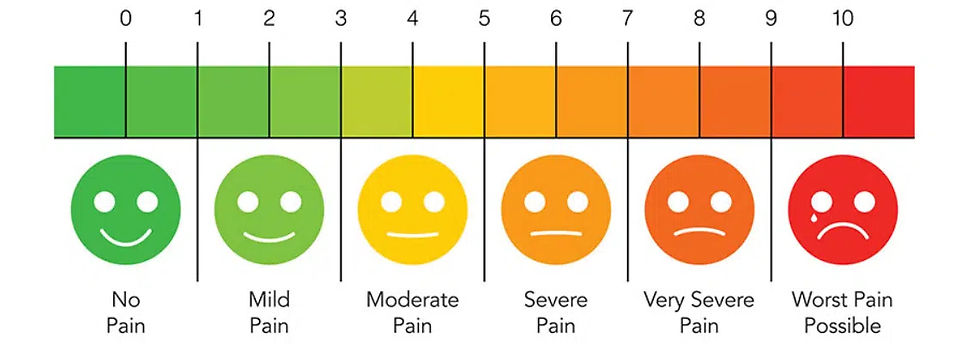
🟢 Pain 0–3/10
🟢 No swelling increase over 24 hours
🟢 Good quad activation
🟢 Knee feels stable
🟢 Mild stiffness that improves with movement
🟢 Predictable movement quality
What It Means
Your knee is tolerating load well. Progress your ACL strength, range and conditioning as planned.
YELLOW LIGHT: “Okay… But Pay Attention.”
The knee is loading and needs stress to progress, but watch we dont tip the scales.
Yellow Light Signs
🟡 Pain 4–6/10
🟡 Swelling that settles within 24 hours
🟡 Fatigue affecting technique
🟡 Quad activation becomes inconsistent
🟡 “Sticky” or tight ranges
What It Means
Continue training, but modify:
Reduce load
Reduce range
Slow tempo
Swap the exercise
Add recovery work such as cryo-compression or elevation
Yellow isn’t danger — it’s guidance.
RED LIGHT: “Stop — Adjust Immediately.”
This is when your knee clearly says the load was too much.
Red Light Signs
🔴 Pain 7/10 or above
🔴 Sharp catching pain
🔴 New swelling lasting more than 48 hours
🔴 Giving way
🔴 Heat or redness
🔴 Pain that worsens during the session
What To Do
Stop
Remove load
Cryo-compress or ice
Elevate
Reassess the next day
Contact your physio or online ACL coach
Ignoring red light signs increases the risk of flare-ups, quad shutdown, or delayed ACL rehab progress — especially in the early phase after ACL reconstruction.
Practical Tips for Using the Traffic Light System Daily
Here’s exactly how our ACL athletes — both in-person and online — apply this system.
1. Daily Knee Check
Each morning, check:
Swelling
Warmth
Limping or compensation
Confidence when walking
Range compared to yesterday
2. During Training
Quick check-in:
Pain levels?
Movement control?
Knee reactive or calm?
3. The 24-Hour Rule
If symptoms spike tomorrow, that session was too much load for your ACL / Knee. Review Programming and exercise selection.
4. Use Your Tools
These help keep you in the green zone more often:
Cryo-compression → reduce swelling quickly (Cheltenham / Gloucester Rental Here)
Foam rolling → ease quad/ITB tension (“Check out This Blog : "Importance Of Foam Rolling for ACL Rehab”)
PowerDot EMS → improves quad activation early on
Blood Flow Restriction (BFR) → build strength when heavy loading isn’t possible
Manual therapy / sports therapy → mobility, swelling reduction, comfort (Add a Sports Therapist To Your Rehab Here)
All of these support quicker recovery and more predictable progress — especially in early and mid-stage ACL rehabilitation.
When to Get Extra Support
If you find yourself:
Fluctuating between yellow and red
Overthinking pain
Carrying swelling for days
Unsure what’s “normal” in ACL recovery
Stuck at a strength or ROM plateau
Losing confidence with load or impact
You don't know how your rehab is supposed to progress / minimal guidance
…it’s a sign you need a clearer structure and closer guidance.
This is where our in-person ACL rehab support and online ACL coaching make a big difference.
How We Use the Traffic Light System at Proview
At Proview Sports Injury Clinic (Cheltenham) and through our online ACL rehab programme, we combine this system with:
Force plate testing
Force frame isometric testing
Quad activation monitoring
Swelling and ROM tracking
Graft-protection guidelines
Strength benchmarks
Return-to-sport profiling
This gives you a clear, measurable rehab pathway — whether you’re based in Gloucestershire or completing ACL rehab online from anywhere in the UK.
Want Specialist ACL Rehab Support — In Cheltenham or Online?
Structured programming, video feedback, daily messaging and a proven system that takes you from week 1 to full return to sport. 24/7 support to answer these questions and adjust load.
Early post-op support, manual therapy, swelling control, strength progressions and gym-based rehabilitation.
Ideal for managing swelling in the early ACL rehab phase.
Force plates and force frame assessments for data-led rehab.
If you want an ACL rehab process that’s structured, clear, and athlete-led… this is exactly what we do every day.

header.all-comments